Daycare vs. Nanny: Compare the Week You Need Covered
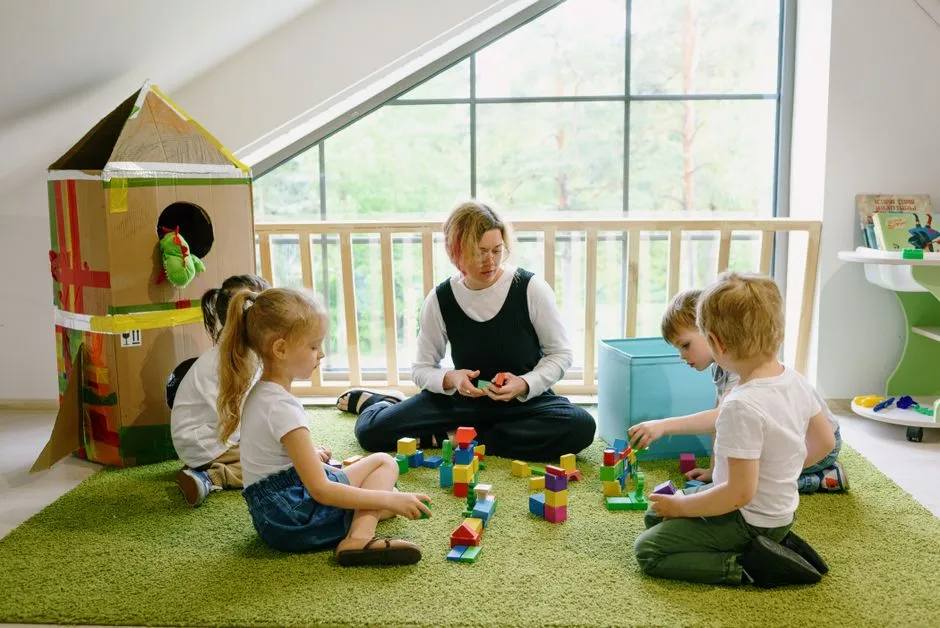
- Is daycare or a nanny the better fit?
- What are the three arrangements you are comparing?
- Can each offer cover the same fictional week?
- Who carries responsibility when a caregiver is absent?
- What changes when care happens in your home?
- What does “social time” look like in practice?
- How can you compare costs without a misleading headline?
- Which checks come before convenience?
- How do you explain the final choice?
- Sources
Is daycare or a nanny the better fit?
Compare daycare and a nanny against the hours, backup arrangements and responsibilities your household can actually manage. Include licensed family child care as a separate option. Verify local licensing and staffing rules, caregiver screening and safe care before weighing convenience. A nanny arrangement may bring employer obligations; obtain qualified local advice. Individual health or developmental questions belong with your child's clinician.
The useful choice is between real arrangements with written terms. A promising category cannot collect your child when your meeting runs late. This is a desk-researched comparison using published guidance and an original fictional schedule exercise; we have not inspected or tested providers.
What are the three arrangements you are comparing?
The American Academy of Pediatrics' overview distinguishes care in your home, care in a provider's home and center-based care. Here, “nanny” means someone caring for your child in your household. “Family child care” means the provider's residential setting. Both can be called home-based care, so establish whose home is meant.
For this comparison, request an actual center offer, a licensed family child-care offer and a nanny proposal. An unavailable place stays off the working shortlist. Our daycare choosing guide covers the fuller visit-and-records process once a setting looks workable.
Can each offer cover the same fictional week?
Consider this invented family, with one child needing care Monday through Friday. These times are arbitrary examples, not typical provider hours. All three candidates are assumed to have passed the family's separate safety and suitability checks.
On Monday through Thursday, the parent can drop off at 8:00 a.m. and collect at 5:30 p.m. On Friday, an on-site meeting prevents collection before 6:15 p.m. The nanny would work at the family home; the other offers require a trip to the provider.
| Fictional offer | Written hours | Uncovered part of this family's week |
|---|---|---|
| Center A | 7:30 a.m.–6:00 p.m., weekdays | Friday pickup is 15 minutes too late |
| Family home B | 8:00 a.m.–5:30 p.m., weekdays | Friday pickup is 45 minutes too late |
| Nanny C | 8:00 a.m.–5:30 p.m., weekdays | Friday requires 45 more minutes of agreed care |
None covers the whole week as written. The center's longer opening window does not resolve Friday; a nanny's location does not create extra contracted hours. The family could investigate an authorized backup collector, change the meeting arrangement or negotiate different terms before accepting an offer.
Write the solution beside the gap: who has agreed, where the handoff occurs and what happens if that person cannot come. “We will work it out” leaves the same uncovered minutes on the page. Recheck travel assumptions on the actual route; our fictional times already include the family's journey.
Who carries responsibility when a caregiver is absent?
A center has an organization to ask about staffing cover. Ask who would cover your child's group, how that person is briefed and how applicable staffing requirements are maintained. The AAP's center checklist specifically asks about staff illness, vacations, hours and scheduled closures. More adults in a building does not prove a usable replacement exists.
For a family home, request its actual substitute or closure arrangement. For a nanny, identify your household's fallback. The AAP's comparison of care types emphasizes backup when an individual caregiver is unavailable. Do not assume another family can absorb your child or that an agency promises immediate cover.
Separate scheduled leave, sudden caregiver absence and a child's illness. Ask each candidate what the agreement permits, how notice works and whether payment continues. A nanny is not automatically available for sick-child care. For health decisions, follow your child's clinician and the applicable care policy; this comparison sets no symptom or return-to-care thresholds.
What changes when care happens in your home?
You need to understand the working relationship as well as the care. The IRS household-worker guidance says an employee relationship depends on control over both the work and how it is done. Part-time hours or finding someone through an agency do not, by themselves, settle the question. Ask a qualified adviser to assess the actual arrangement rather than choosing a convenient label.
For the practical agreement, Child Care Aware of America's in-home guide identifies hours, duties, payment, time off, transport, house rules and emergency arrangements as discussion topics. Put agreed responsibilities in writing with the caregiver. Clarify whether a request concerns childcare or additional household work; do not add duties silently after hiring.
If an agency is involved, distinguish introducing a candidate, employing them and supplying replacement care. Request the agency's written explanation of its role. Have employment and contract questions reviewed locally before signing; a useful checklist is not legal advice.
What does “social time” look like in practice?
Child Care Aware's overview describes centers as often grouping children by age, while family homes may include different ages and siblings. Those descriptions help you ask questions; they do not establish what happens at a particular address.
Ask each candidate for an example day: who is present, what children do together and how adults support interaction. With a nanny, discuss approved outings or play arrangements and their practical organization. With group care, ask how an individual child gets support during shared activities. Do not turn the setting's label into a prediction about your child's development.
How can you compare costs without a misleading headline?
Collect written quotes for the same days, hours and children. List what is included, what is extra and what remains payable during an absence or closure. Separate an enrollment charge from an ongoing cost. For a nanny proposal, establish whether the quoted pay covers the agreed duties and hours, then obtain professional advice on additional obligations.
IRS Publication 926 explains that household employment can involve federal and state tax responsibilities and recordkeeping. It also directs employers to determine applicable state taxes and workers' compensation requirements. Use current guidance for your own circumstances; this article supplies no rates, thresholds or promised savings.
Keep the comparison honest about unpaid family effort too. In the fictional example, Friday's gap needs a named solution even if nobody charges for it. Record the arrangement separately from the provider's quote so “lower price” does not conceal a missing pickup plan.
Which checks come before convenience?
Licensing and staffing rules vary by state and setting. Child Care Aware's types-of-care guide notes that exemptions and terminology differ. Verify the exact provider's status and applicable staffing requirements with your state licensing agency. Do not infer lawful operation from a listing or describe every home arrangement as licensed.
For a nanny, ask about documented experience, references, screening and current relevant training. The California Department of Social Services' in-home checklist highlights those questions and a written job description. Its California-specific procedures do not establish another state's requirements. Use the appropriate local process and respect the candidate's privacy.
Infant sleep remains a safety requirement in every setting. AAP guidance calls for placing babies on their backs for every sleep, on a firm, flat surface in a CPSC-compliant crib, bassinet, portable crib or play yard, with only a fitted sheet. Keep soft objects and loose bedding out; do not use weighted sleep products. Review our safe-sleep questions and discuss individual medical concerns with the pediatrician.
For observed safety problems during visits, use the daycare red-flags guide. An attractive schedule cannot cancel an unresolved safety concern.
How do you explain the final choice?
Write a short decision statement: “This offer covers our confirmed hours; this person handles the remaining gap; these responsibilities are assigned; these questions are resolved.” Attach the evidence supporting it.
Choose the arrangement you can explain in those concrete terms. If a gap remains, keep investigating it before committing. The name of the care type is the beginning of the comparison; the actual people, terms and workable handoffs finish it.
Sources
- American Academy of Pediatrics: care-type comparison, center checklist and safe-sleep guidance, linked above.
- Child Care Aware of America: care types and in-home agreements.
- Internal Revenue Service: household-worker classification and Publication 926.
- California Department of Social Services: in-home screening questions; California-specific scope.